Everything is too polished.
Skin, food, glass and fabric lose the texture, wear and tiny asymmetries that make a scene feel lived in.
Learn to direct AI-assisted image and video ads that feel photographed—without losing the product, the brand, or the review process that keeps synthetic media honest.
Designed for ecommerce founders, performance marketers and small creative teams. Uses tools you already have with better direction, references and QA—not a “magic prompt.”
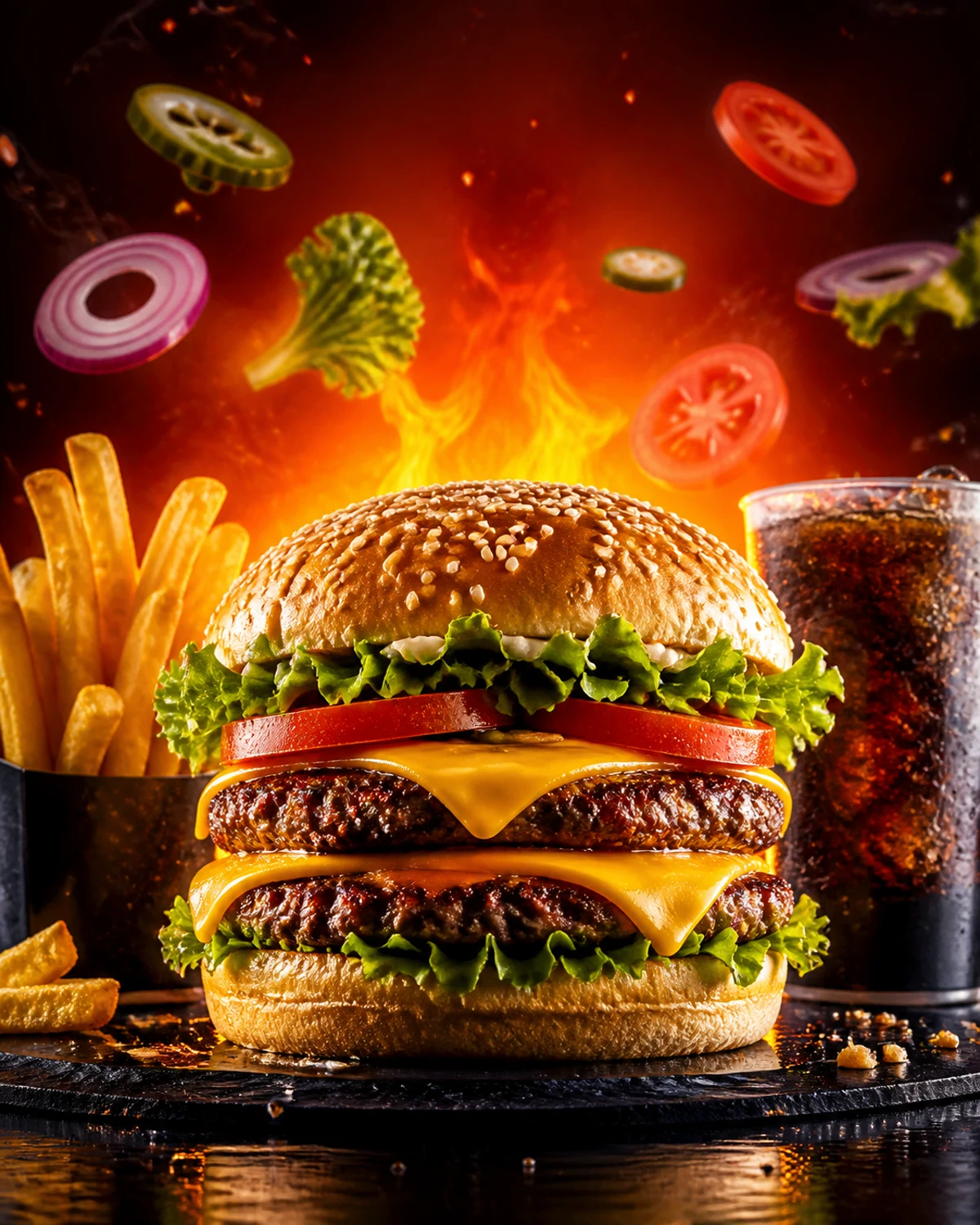
Generic prompts produce generic outcomes: smooth, floating, incoherent visual noise that asks buyers to overlook the details a real photoshoot would get right.
Skin, food, glass and fabric lose the texture, wear and tiny asymmetries that make a scene feel lived in.
Hands merge, objects float, reflections disagree and product scale changes when no one is checking the frame.
“Luxury lifestyle” replaces a specific person, moment, action and buying job—so the ad feels like a demo reel, not a brand asset.
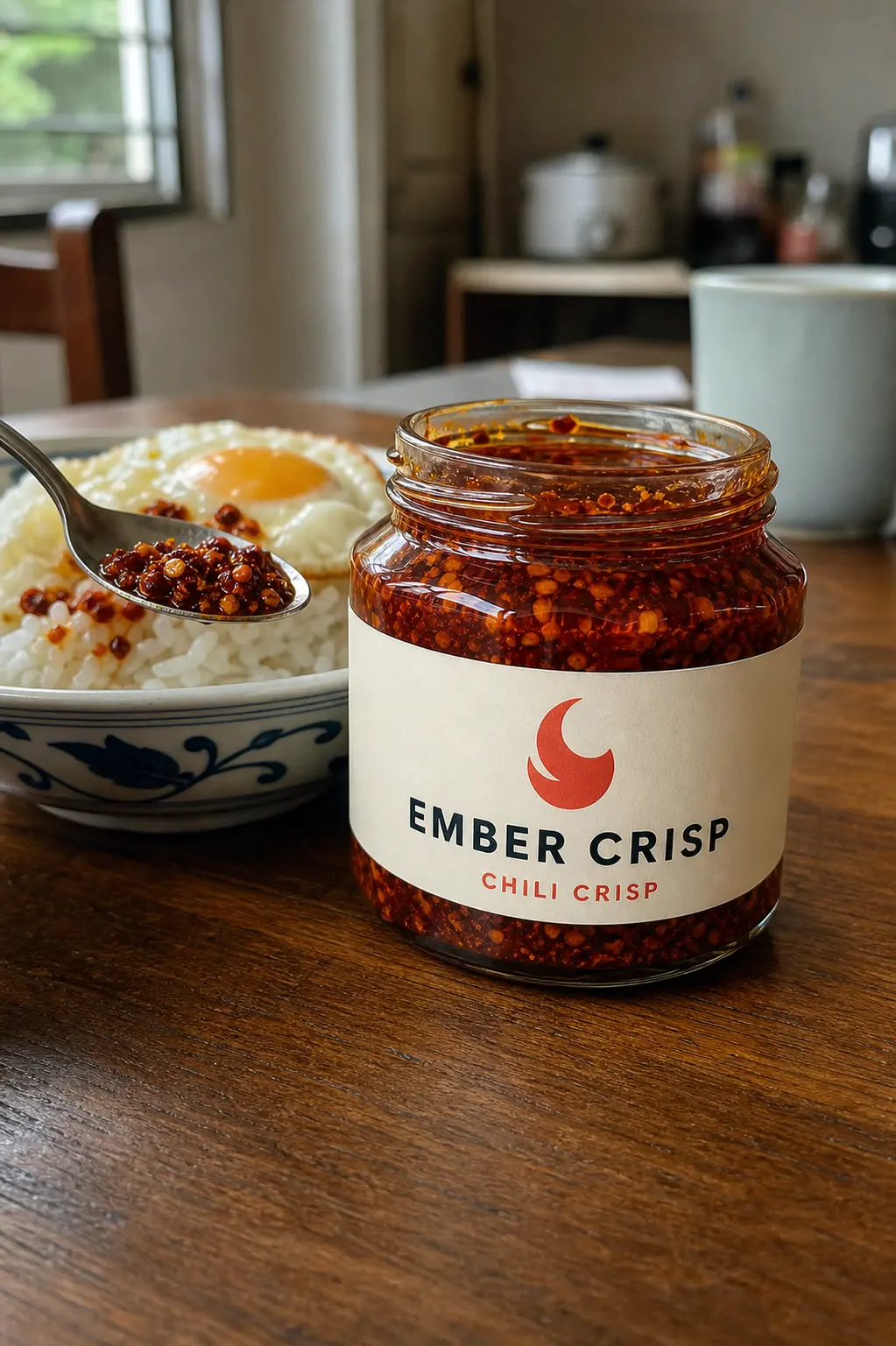
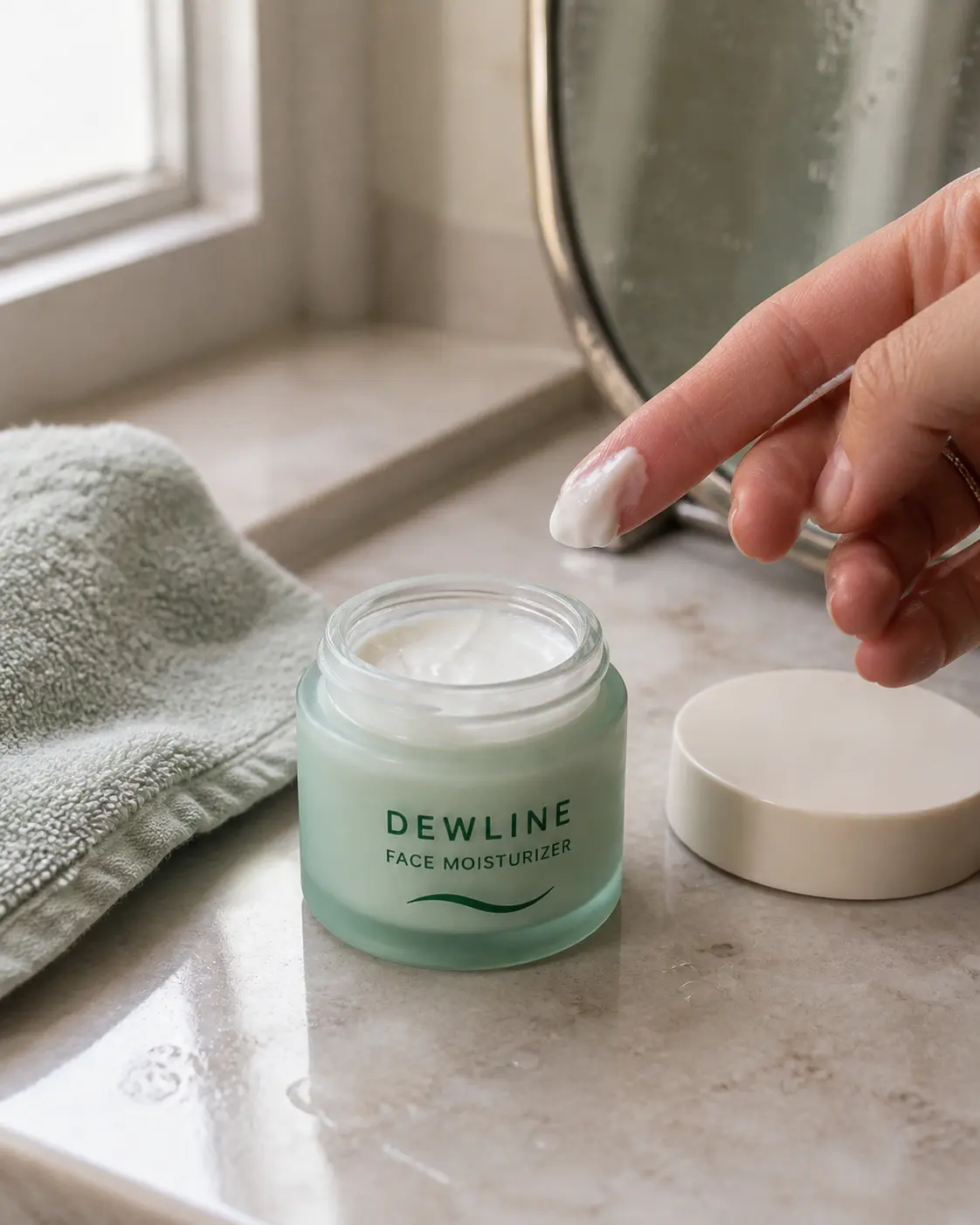
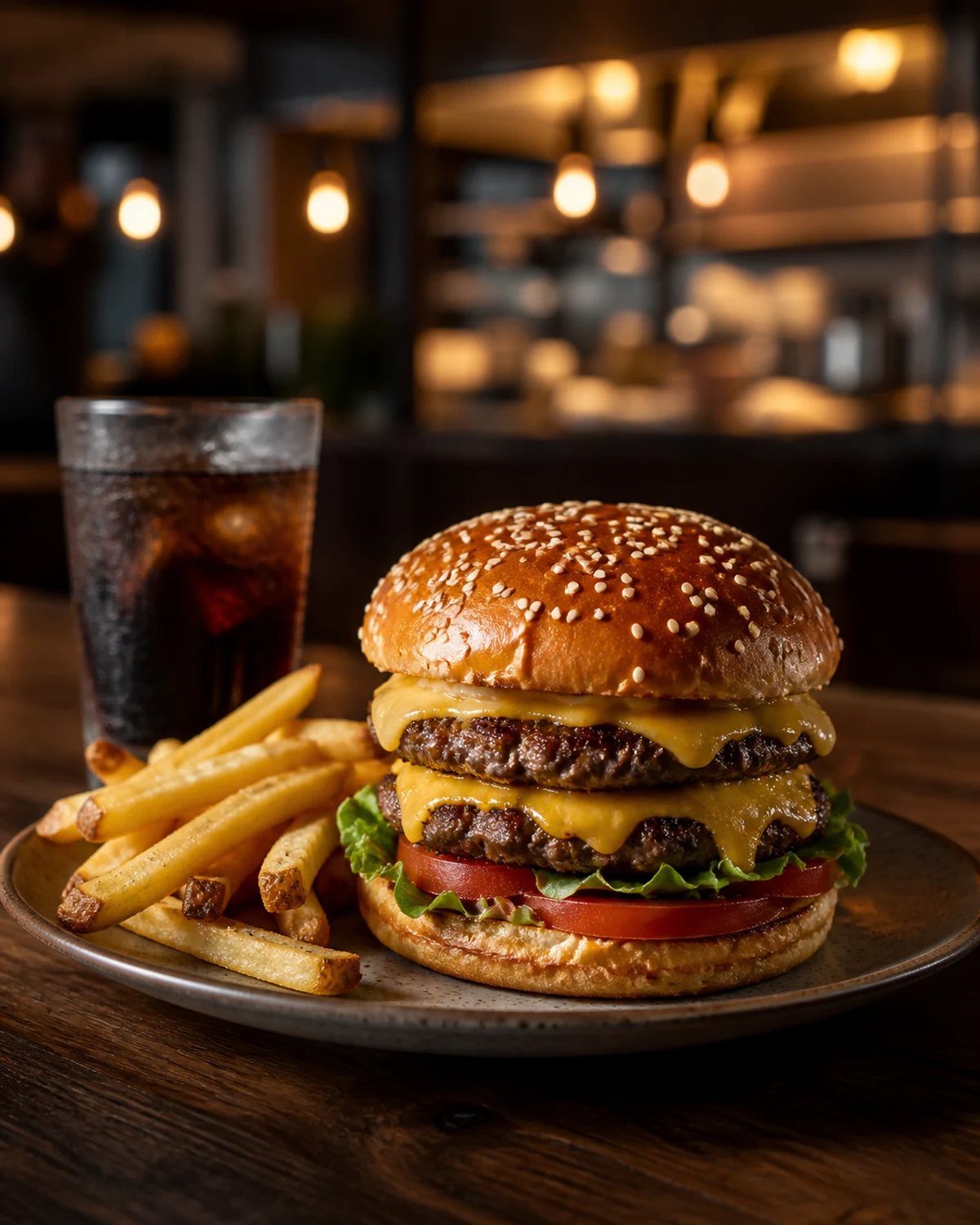
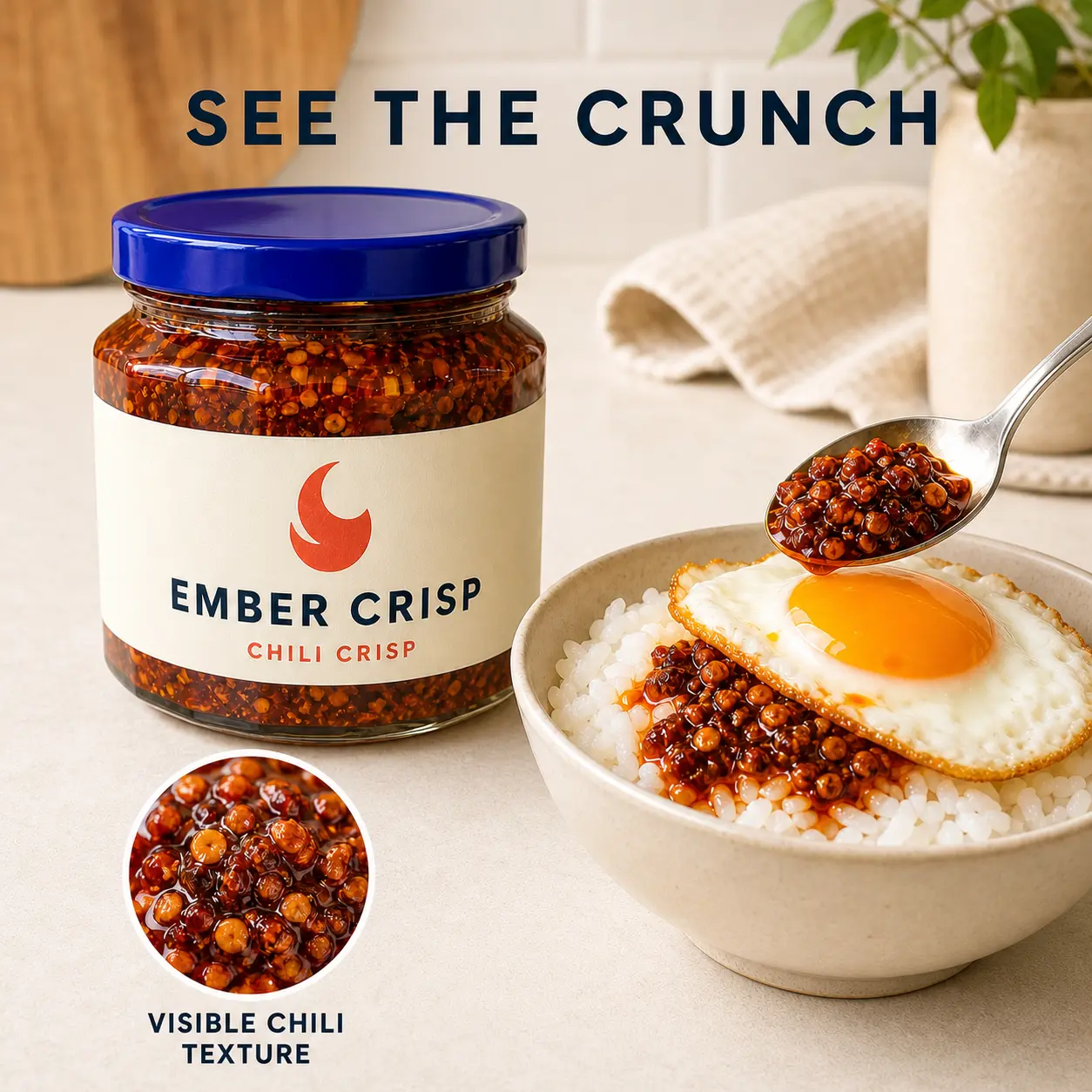
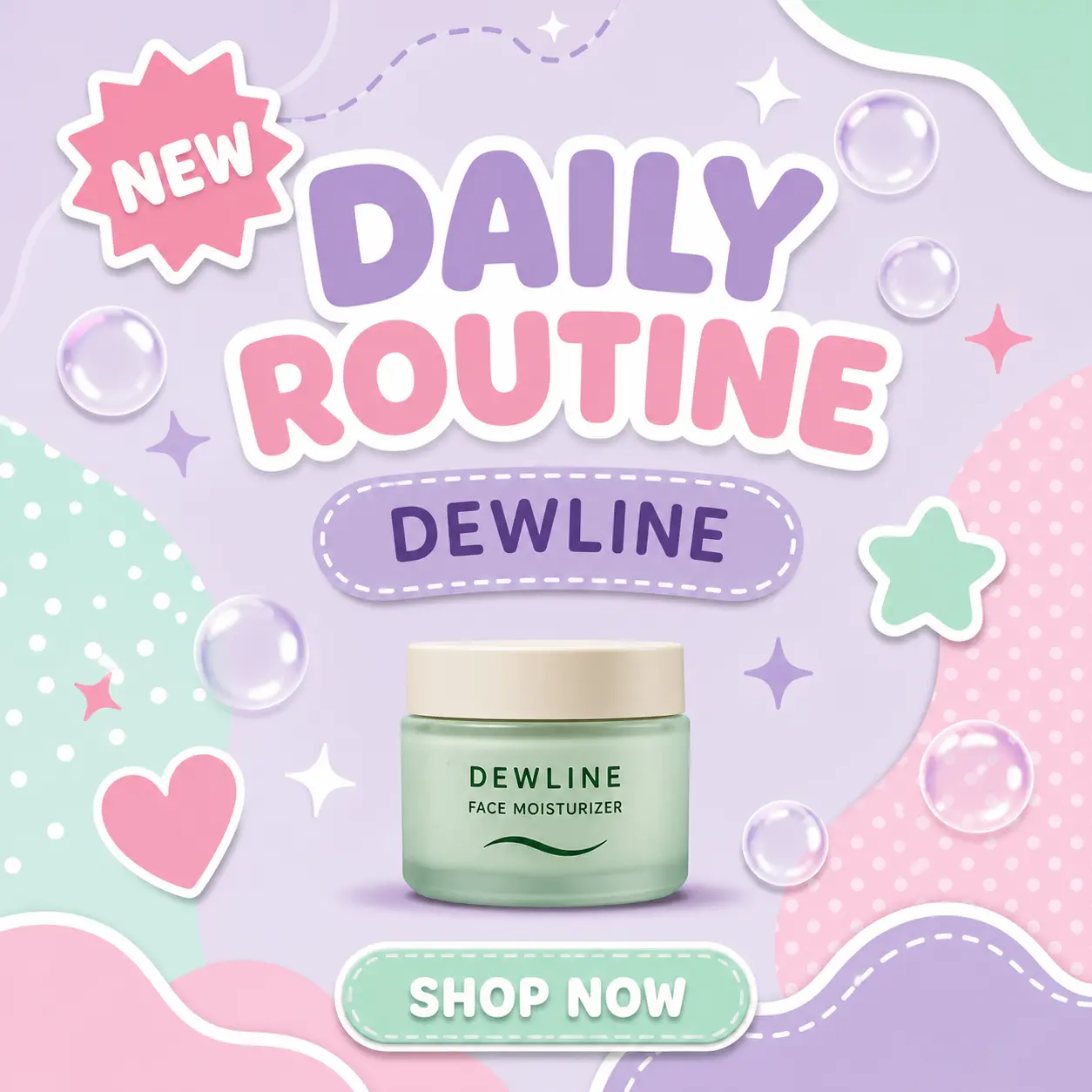
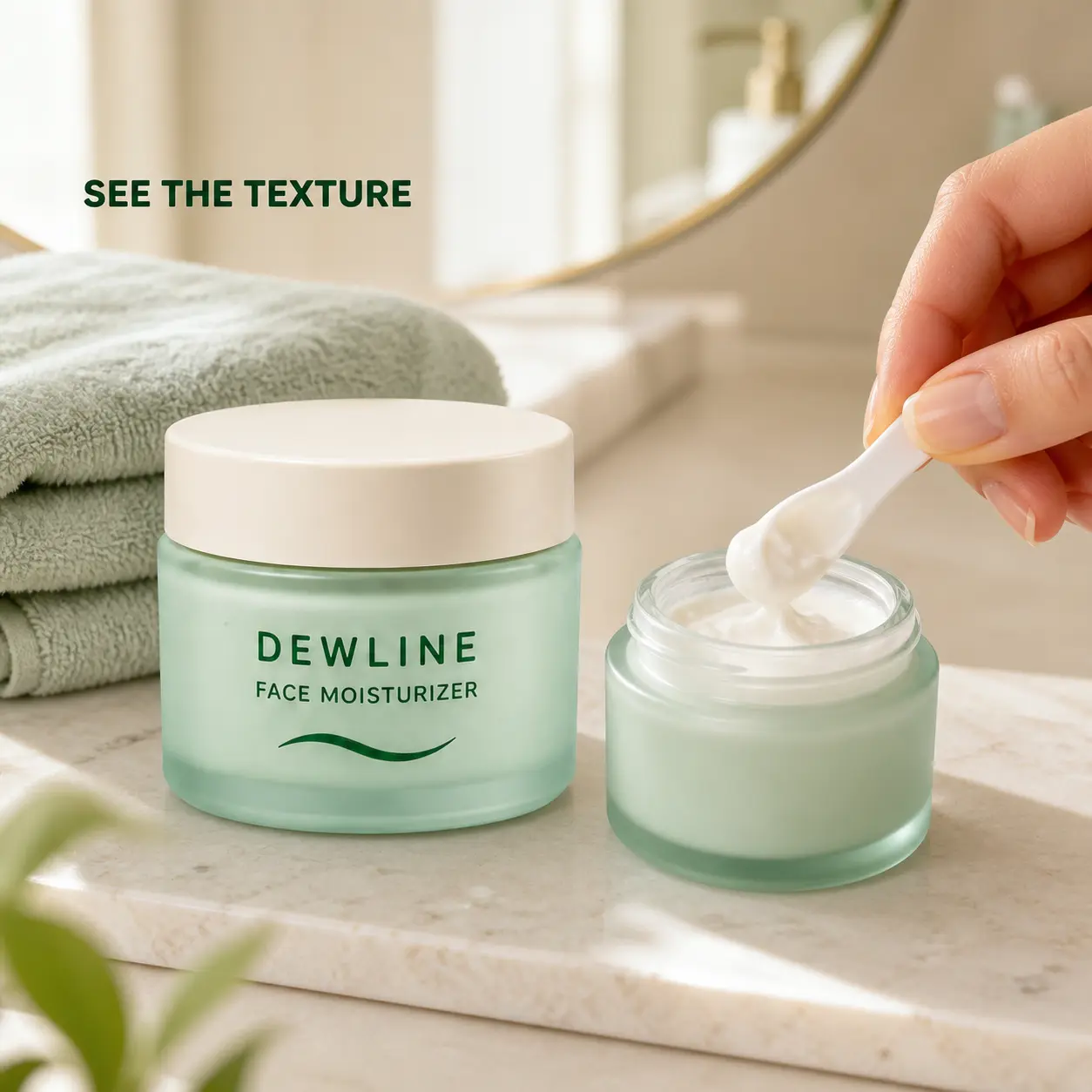
The left is a deliberately constructed weak approach. The right is a directed teaching fixture. Look for the difference in hierarchy, material behavior, use context and physical plausibility—not a promise of sales or conversion lift.
A generic fiery template makes the food feel synthetic. Directed work uses a credible table, ingredient texture, depth and controlled light.
The directed frame keeps the fictional jar dominant, gives it a familiar serving context, and makes the visible texture work with—not against—the product identity.
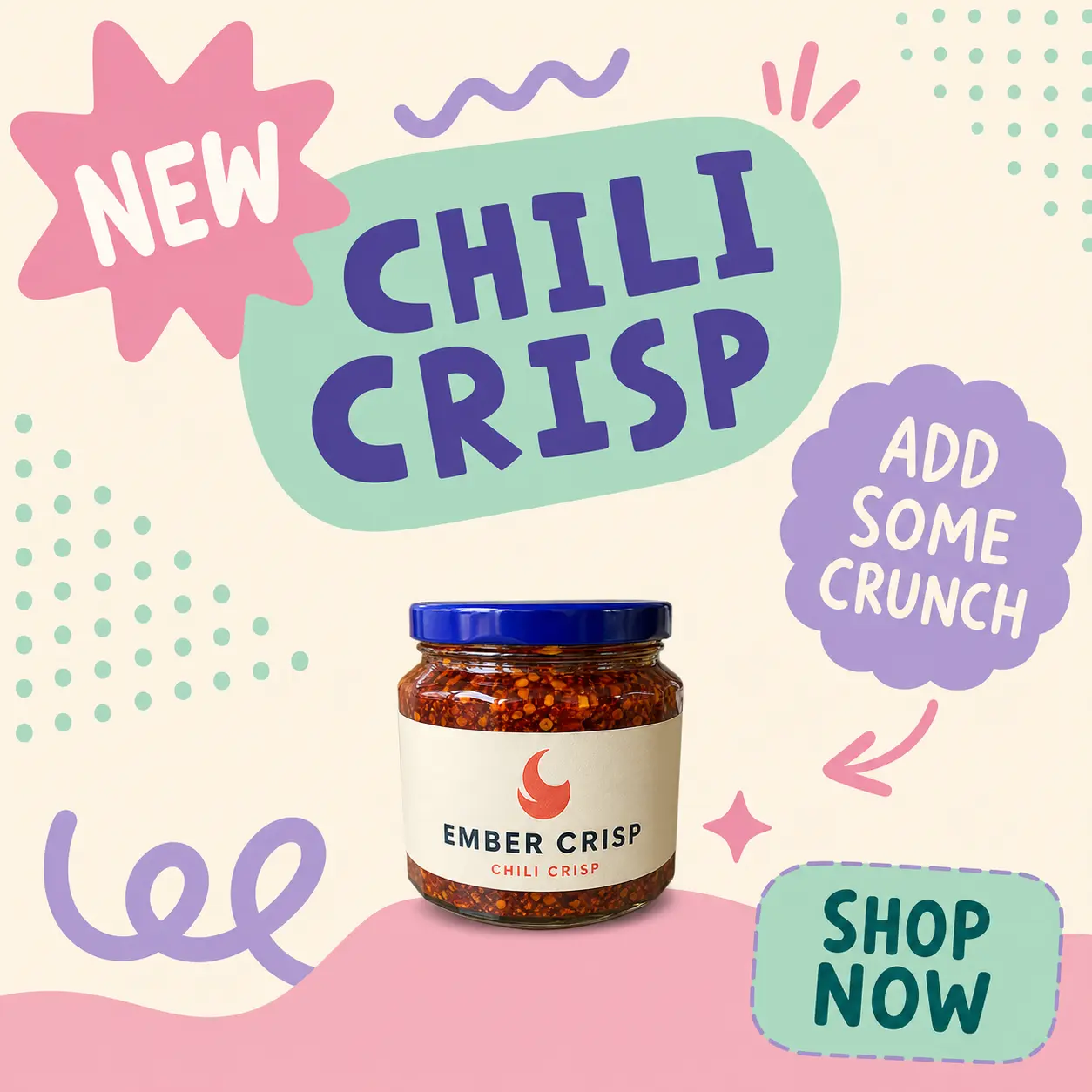
Instead of decorative bubbles and sticker noise, the directed fixture uses a real-feeling vanity, a dominant product, an observable texture detail and a natural hand interaction.
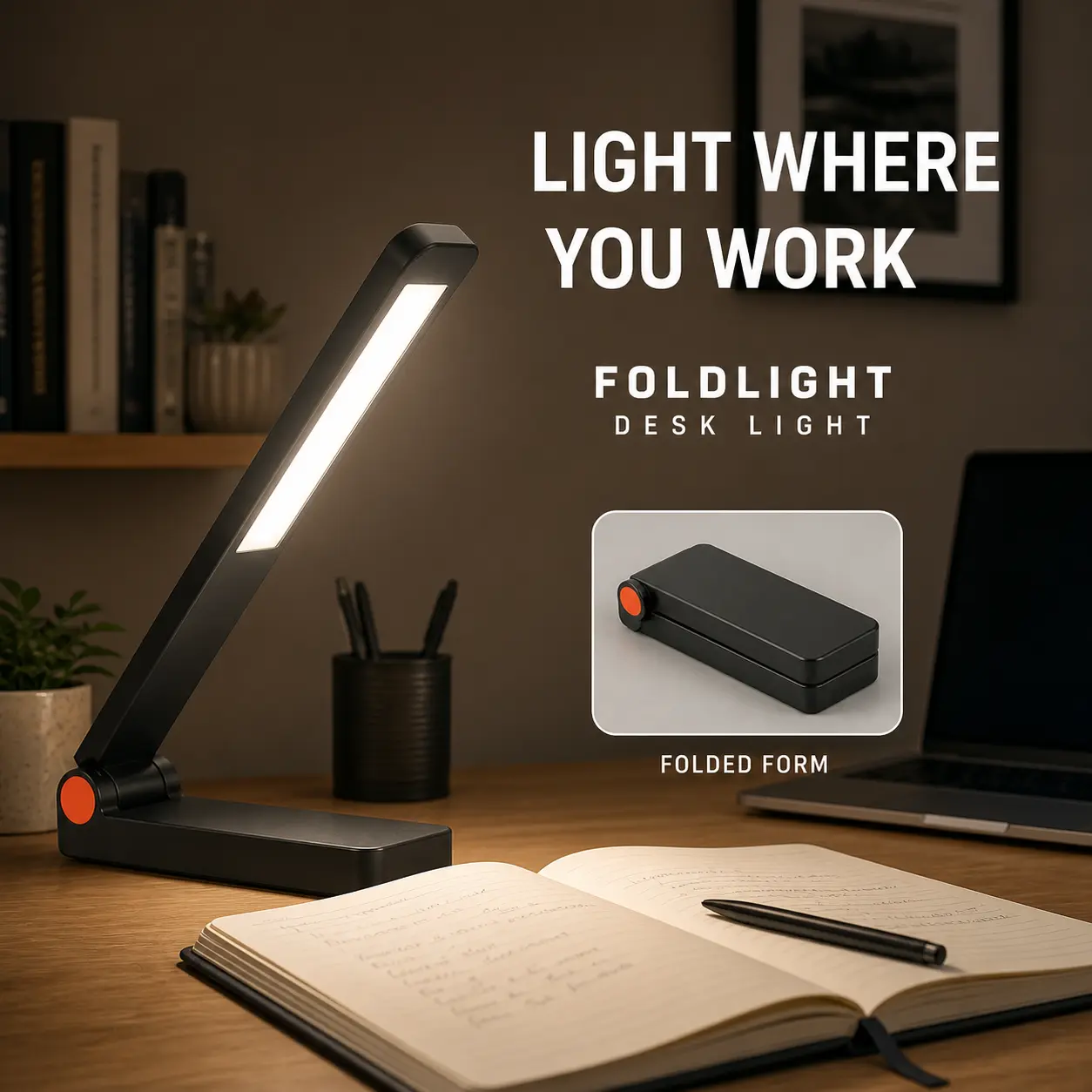
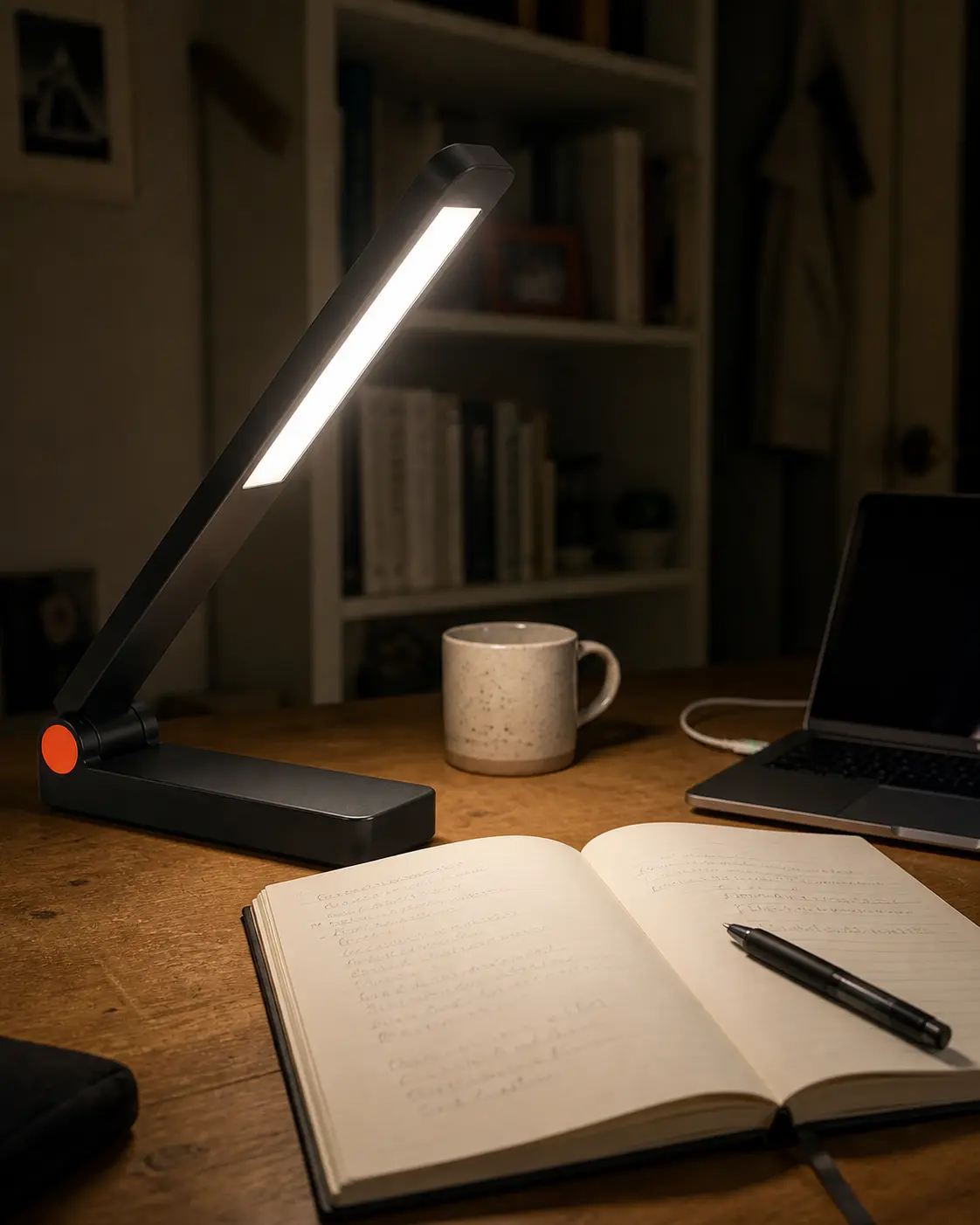
The realistic direction makes the fictional lamp’s form, hinge and light behavior legible inside a credible workspace rather than a disconnected neon stage.

A directed service image shows a concrete location, activity and category. It avoids relying on exaggerated badges, claims and visual noise to explain the offer.


The AI Ad Realism System teaches seven layers to control before and after generation. Every layer is observable, reviewable and reusable across tools.
Lock geometry, packaging, label hierarchy, color, finish and approved facts before the model improvises them.
Give the product a believable person, place, moment and reason to belong in the frame.
Check gravity, contact, grip, liquid, fabric, food, reflections and scale.
Direct a plausible viewpoint, framing, focus plane, depth and movement.
Use motivated light and category-correct surface behavior instead of synthetic gloss.
Add selective texture, asymmetry, wear and environmental detail—never random mess.
Freeze what passed, correct one defect at a time and keep a review trail across every shot.
These are fully synthetic, fictional teaching fixtures. They demonstrate the kind of scene direction the course teaches; they are not merchant work, customer proof or performance evidence.
The course is built around a real production loop, not an endless collection of styles and prompt fragments.
Diagnose the specific defect: product drift, bad contact, fake material, camera impossibility or generic scene.
Build the approved reference board and define what cannot change.
Set the ad job, scene, action, camera, light, material behavior and exclusions.
Use the realism scorecard before selecting a promising direction.
Keep passing elements frozen, revise one failure class, then return to human review.
Each module uses worked examples, guided practice, independent builds and evidence checks.
See why a frame feels artificial and separate visual realism from product truth.
Build product references and believable moments before image generation.
Control camera, light, materials, imperfection and surgical correction for photorealistic results.
Turn realistic images into ads that convert. Creative direction, listing optimization and the Smart Prompt Builder.
Score variants, run controlled tests and package the review trail for continuous improvement.
Produce Apple-level video ads with AI. Movement, camera, continuity and professional post-production.
Finish with a system that your team can review, revise and reuse—not a folder of unexplained generations.